
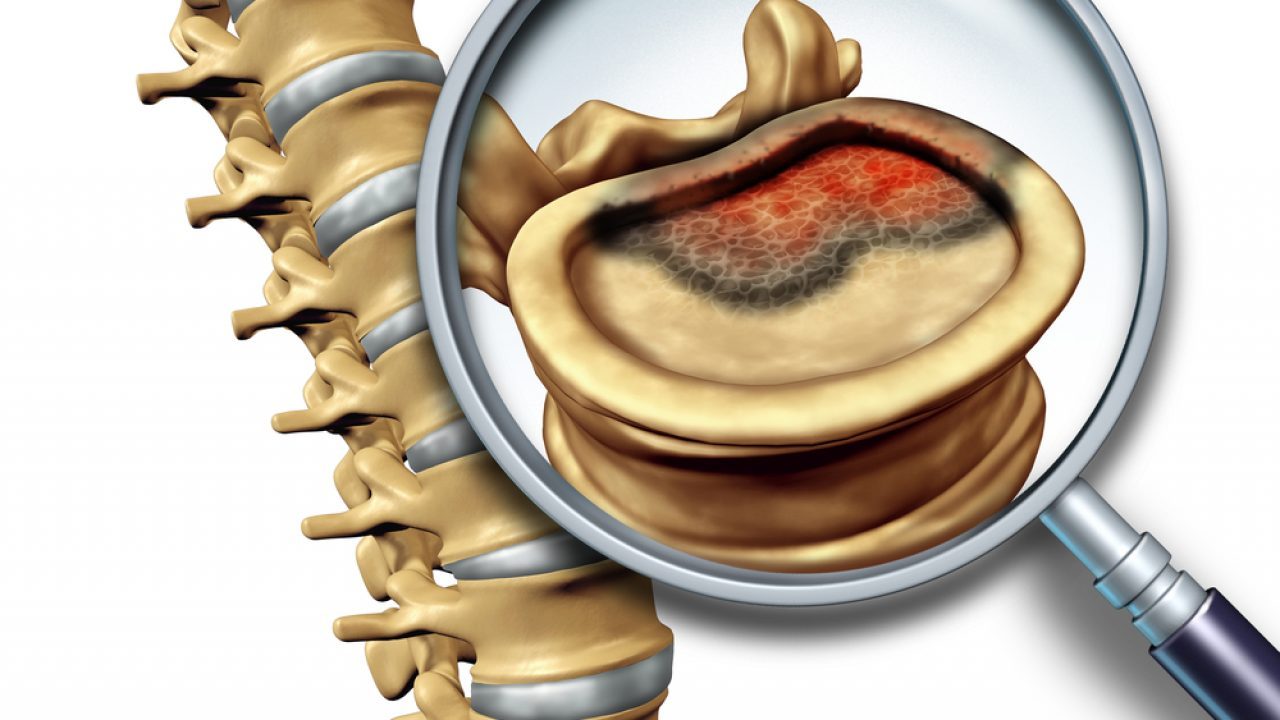
Tumors of the spine and spinal cord is the collective term for masses arising within or around the spine, the spinal cord and/or the spinal column.
Overview
These masses grow and multiply without control because of a disturbance in the mechanisms that regulate normal cells. Tumors may be benign (non-cancerous) or malignant (cancerous).
Primary tumors arise in the spine or spinal cord itself, whereas metastatic, or secondary, tumors develop when a cancer spreads to the spine from elsewhere.
Classification
Spinal tumors are considered in two ways.
By Region of the Spine
- cervical (neck);
- thoracic (upper back);
- lumbar (lower back);
- sacral (tailbone).
By Position Within the Spinal Canal
- Intradural — Extramedullary
- The tumor lies within the covering of the spinal cord (the dura) but outside the cord itself. The commonest are meningiomas, schwannomas, neurofibromas and ependymomas of the filum terminale. Meningiomas and nerve root tumors (schwannomas) are usually benign; neurofibromas may become malignant over time. Ependymomas at the level where the spinal cord ends may be large and lie in close relation to the nerve fibers, which can make their removal difficult.
- Intramedullary
- Tumors lying within the spinal cord. They typically arise from the glial cells or the ependymal cells within the cord. Astrocytomas and ependymomas are the two commonest types; astrocytomas occur chiefly in the cervical and thoracic regions, ependymomas most often in the cervical region. Intramedullary lipomas are among the rare congenital tumors, found most often in the cervicothoracic cord. Because they lie within the spinal cord, these tumors are difficult to operate upon.
- Extradural
- Lying outside the dura, the membrane surrounding the spinal cord. Lesions in this region are usually metastases from another cancer. It is estimated that in at least 30% of cancer patients the disease will spread to the spine. Vertebral hemangiomas, the commonest primary tumor of the spine, are benign lesions and rarely cause symptoms such as pain.
Primary cancers that spread to the spine include those of the lung, the breast and the prostate. Lung cancer in men is the cancer that most often metastasizes to bone, while breast cancer in women is the cancer that most often metastasizes to the spine. Other cancers that spread to the spine are multiple myeloma, melanoma and sarcoma, together with cancers of the digestive system, the kidney and the thyroid.
Treatment
Tumors of the spine and spinal cord are managed by observation, surgery, radiotherapy and chemotherapy. A needle biopsy or an open biopsy may be required before surgery in certain cases.
- Observation
- Small, benign lesions may be followed closely with magnetic resonance imaging (MRI) at regular intervals.
- Surgery
- The tumor is removed in whole or in part. Stabilization of the spine with metal implants may be necessary, having regard to the effect of the tumor or of the operation upon the spine.
- Bone Cement
- In certain benign lesions of the spine, the cavity remaining after removal of the tumor may be filled with bone cement.
Some patients require physiotherapy and rehabilitation after surgery.
The Decision to Treat
The decision is taken by your physician in consultation with you. The principal criteria considered are:
- the type and extent of the tumor;
- whether it is benign or malignant;
- whether it is sensitive to chemotherapy and radiotherapy;
- the degree of neurological risk;
- life expectancy.